A Morning with the Moth Trap: Discovering Dorset's Night-Time Wildlife
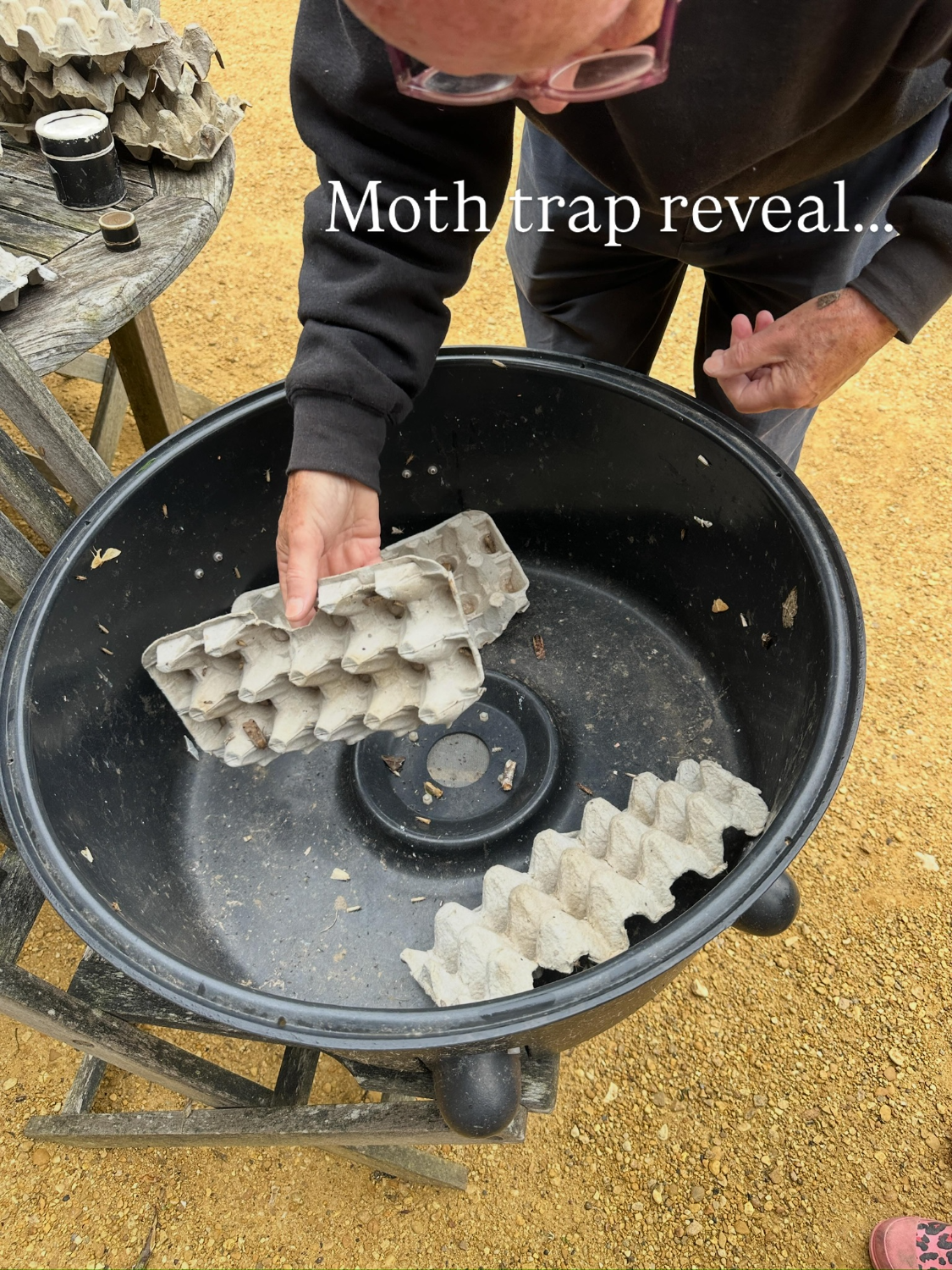
One of our favourite annual traditions returned this week when our good friend visited from Guernsey, bringing with him his moth trap.
Despite the name, a moth trap is completely harmless. It simply uses a special light inside a box to attract moths during the night. The moths settle down safely inside until morning, when they can be carefully identified, recorded and admired before being released back into the hedgerows and downland to continue their day.
It's always a wonderful reminder of just how much wildlife surrounds us while we're asleep.
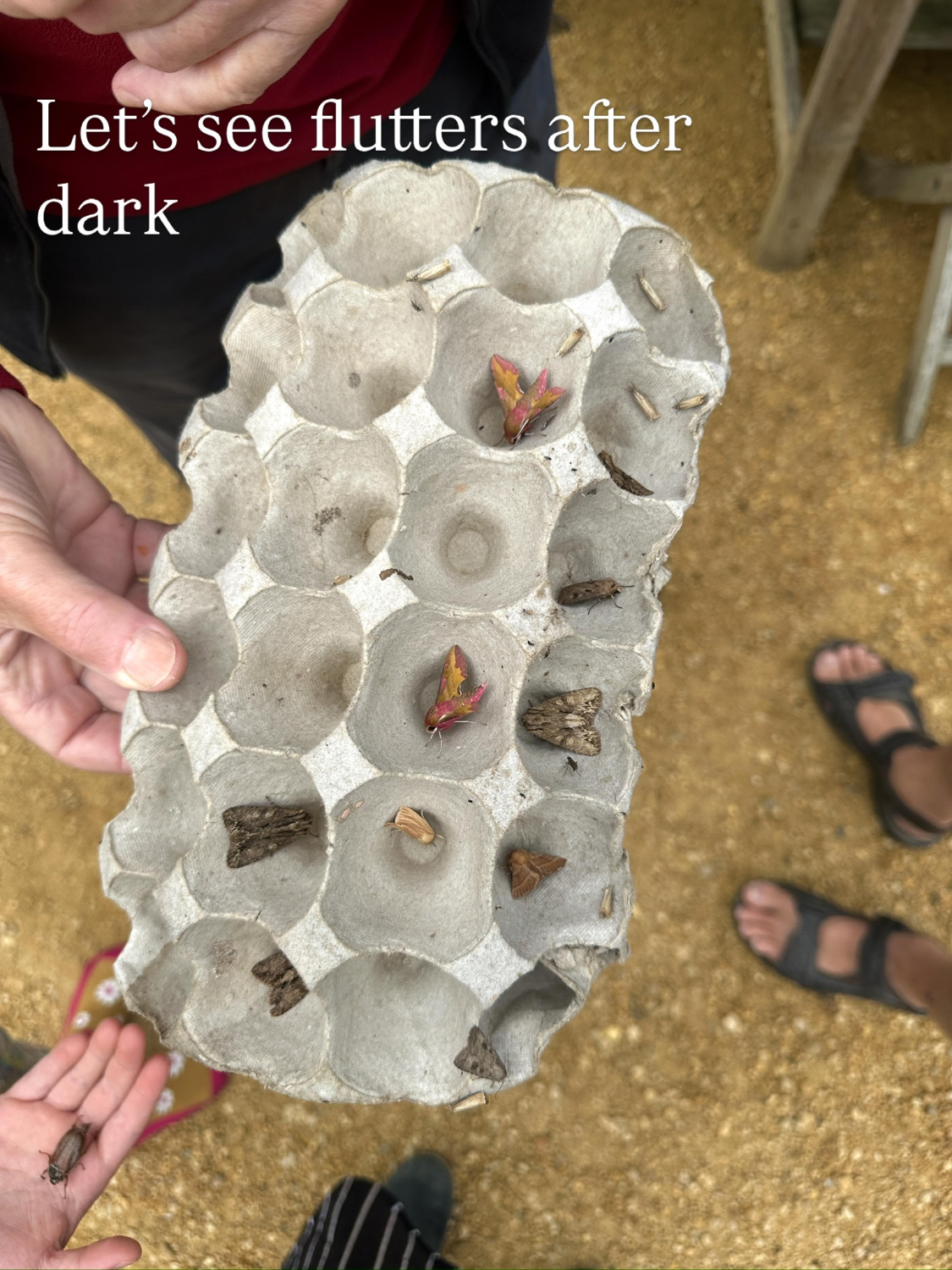
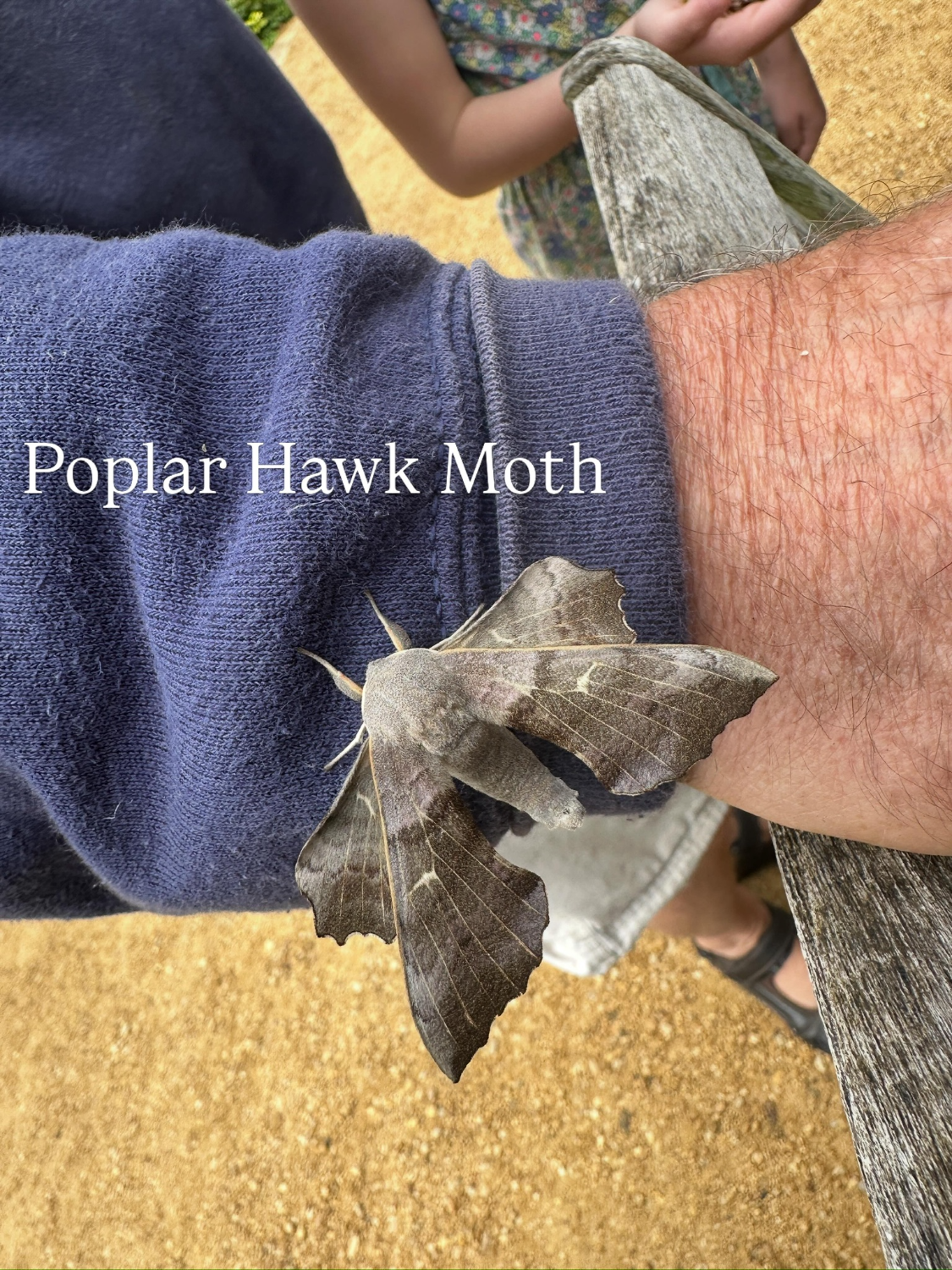
This year's catch certainly didn't disappoint.
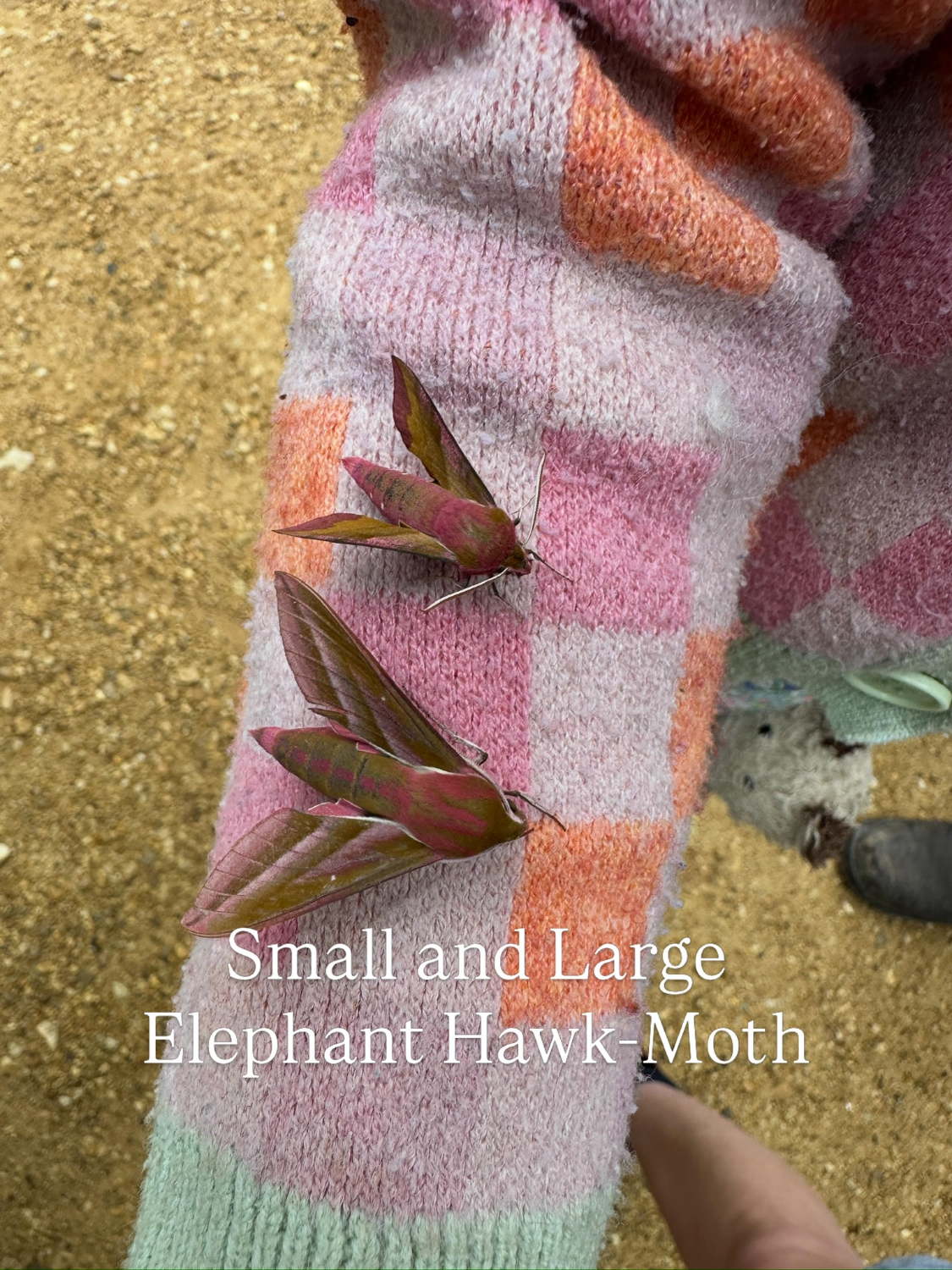
The Magnificent Elephant Hawk-Moth
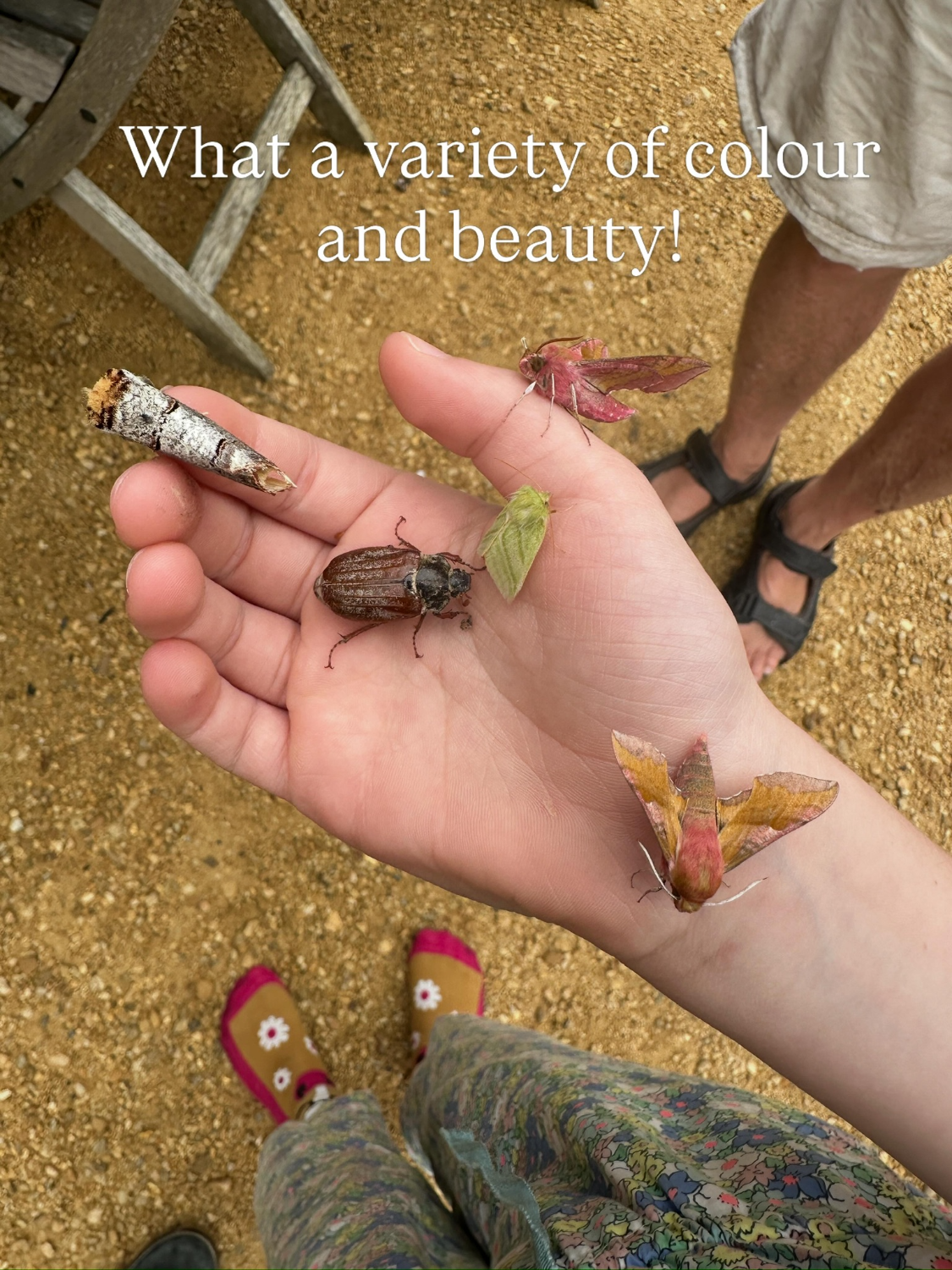
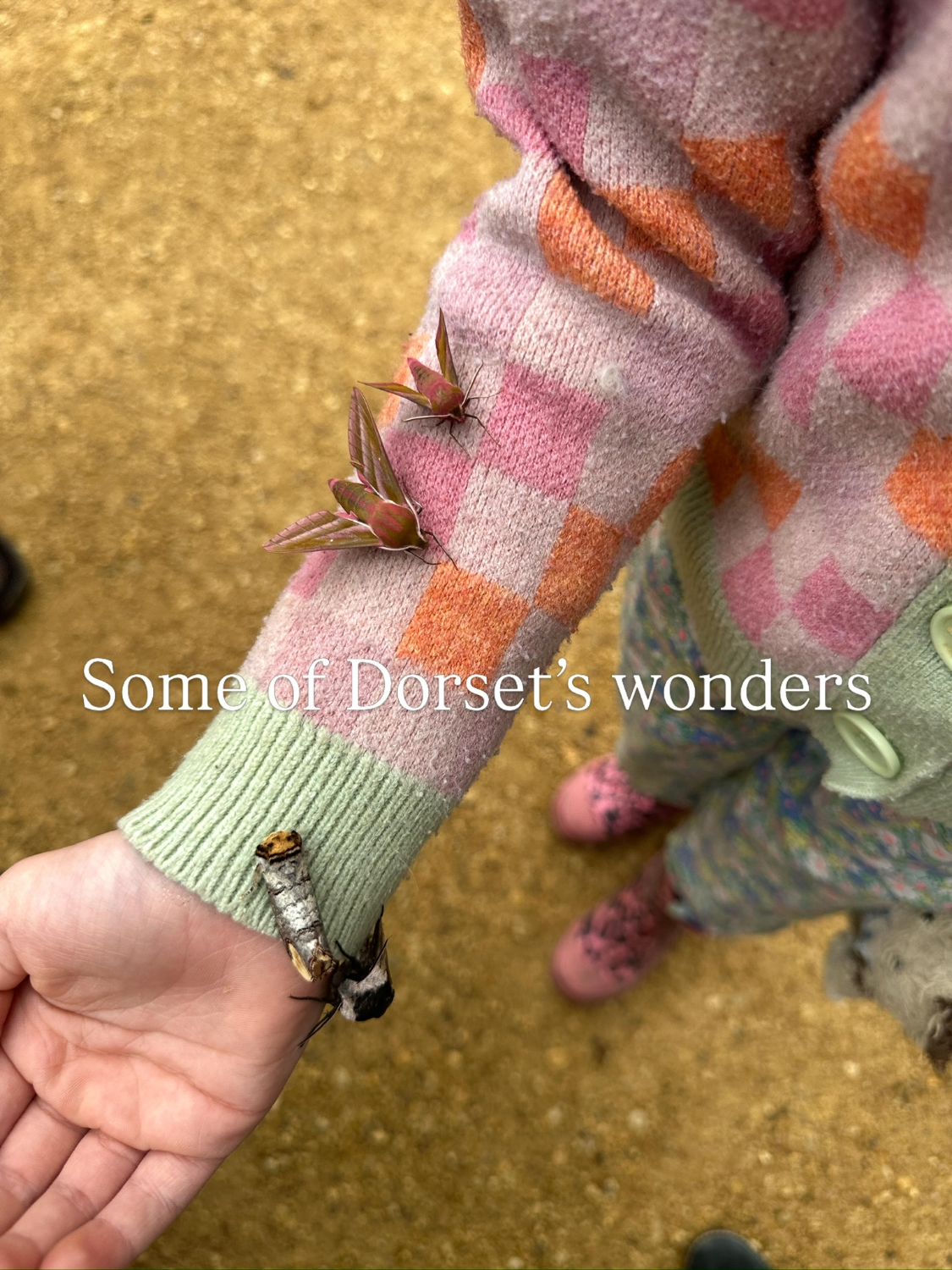
Perhaps the most striking of all was the Elephant Hawk-Moth. With its beautiful pink and olive-green markings, it looks more like something from the tropics than a Dorset hedgerow. Its name comes from the caterpillar, which resembles a tiny elephant's trunk when disturbed.
Often found in gardens, meadows and woodland edges, these moths are one of Britain's most recognisable and much-loved species
The Giant Privet Hawk-Moth
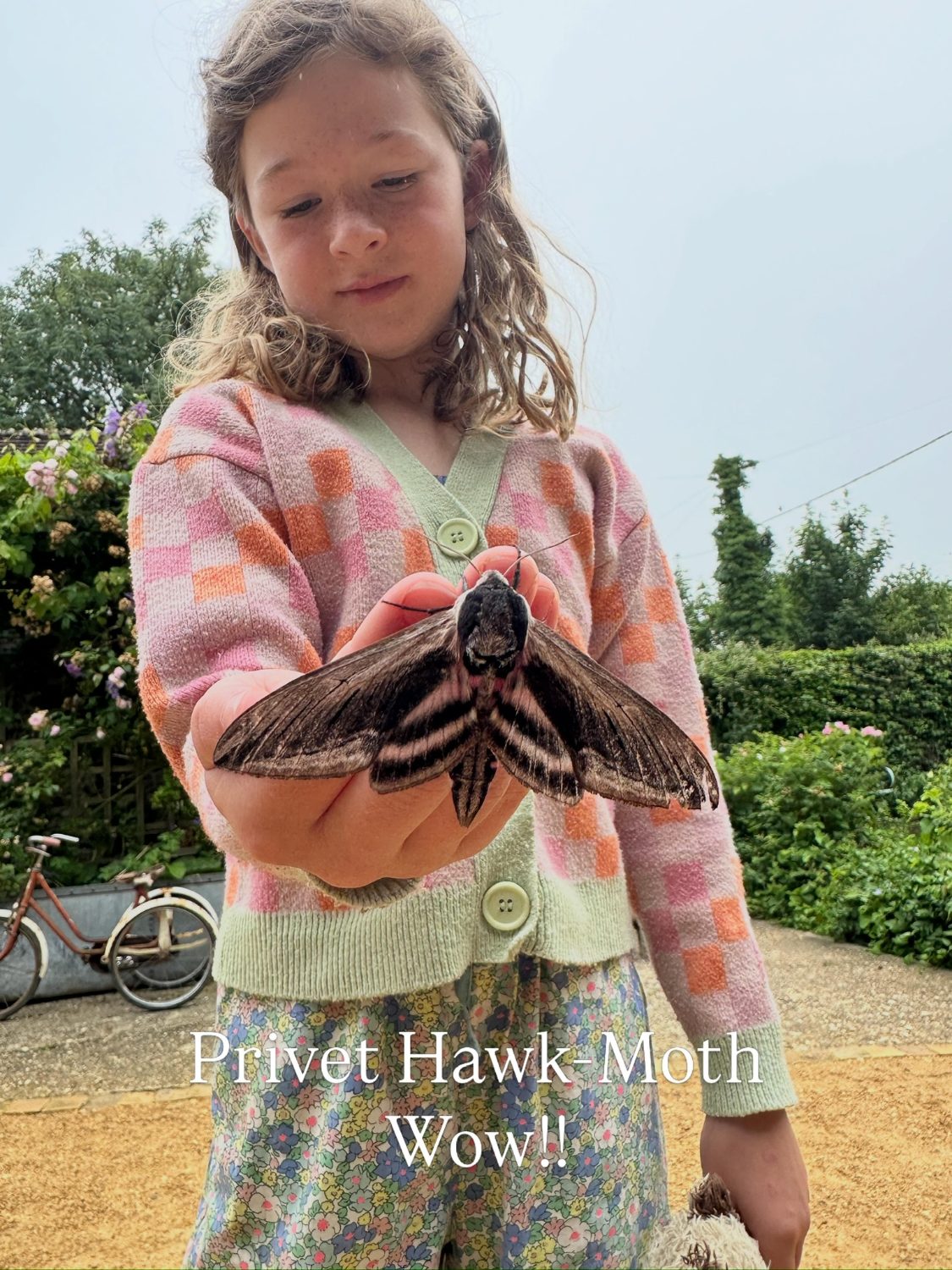
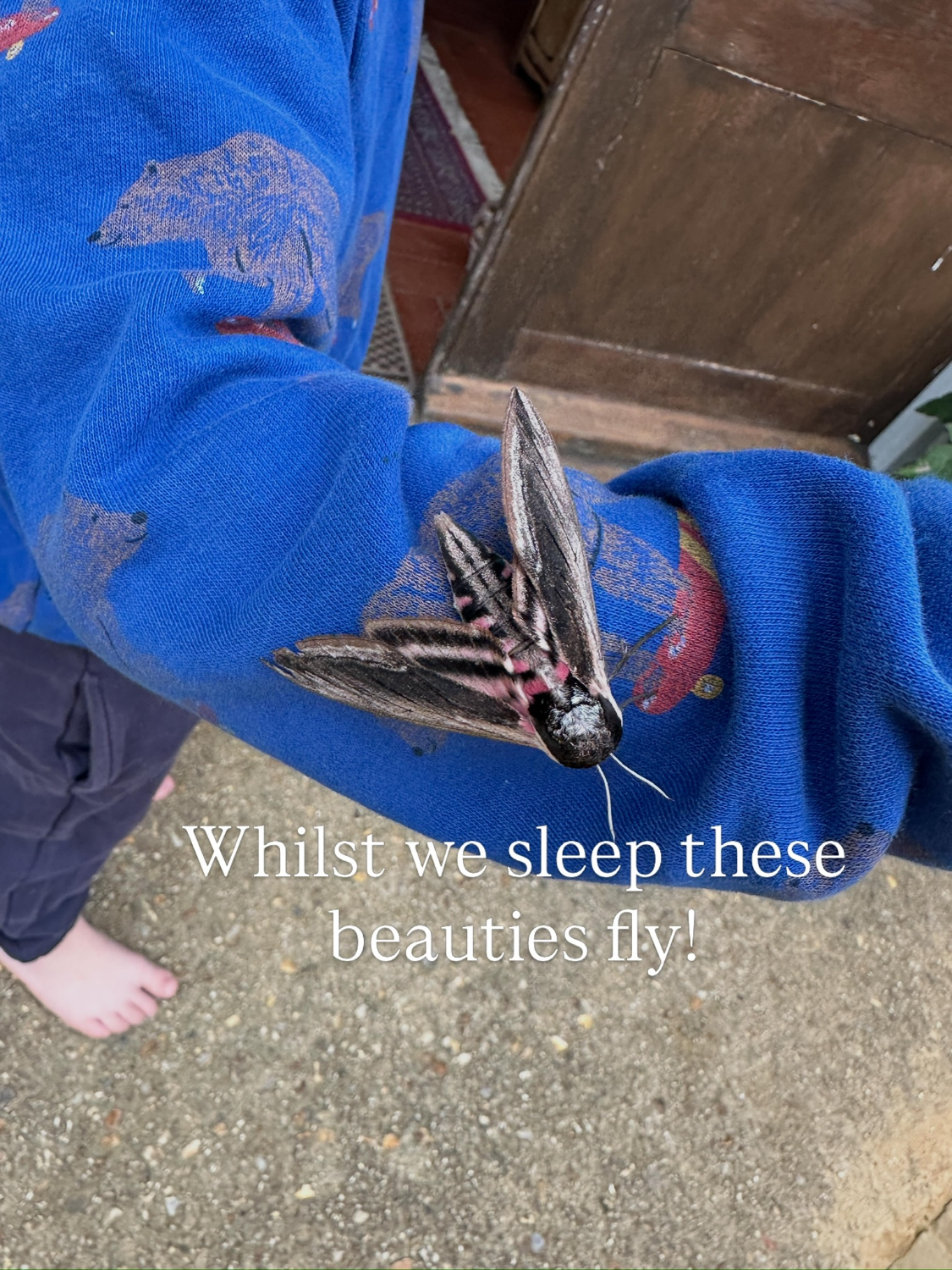
Another star of the morning was the impressive Privet Hawk-Moth, one of the largest moths found in Britain. With a wingspan reaching up to 12cm, it's a real giant of the moth world.
Its striking pink and black body is hidden beneath beautifully patterned grey wings, making it surprisingly well camouflaged despite its size. Seeing one up close is always a special treat.
The Remarkable Peppered Moth
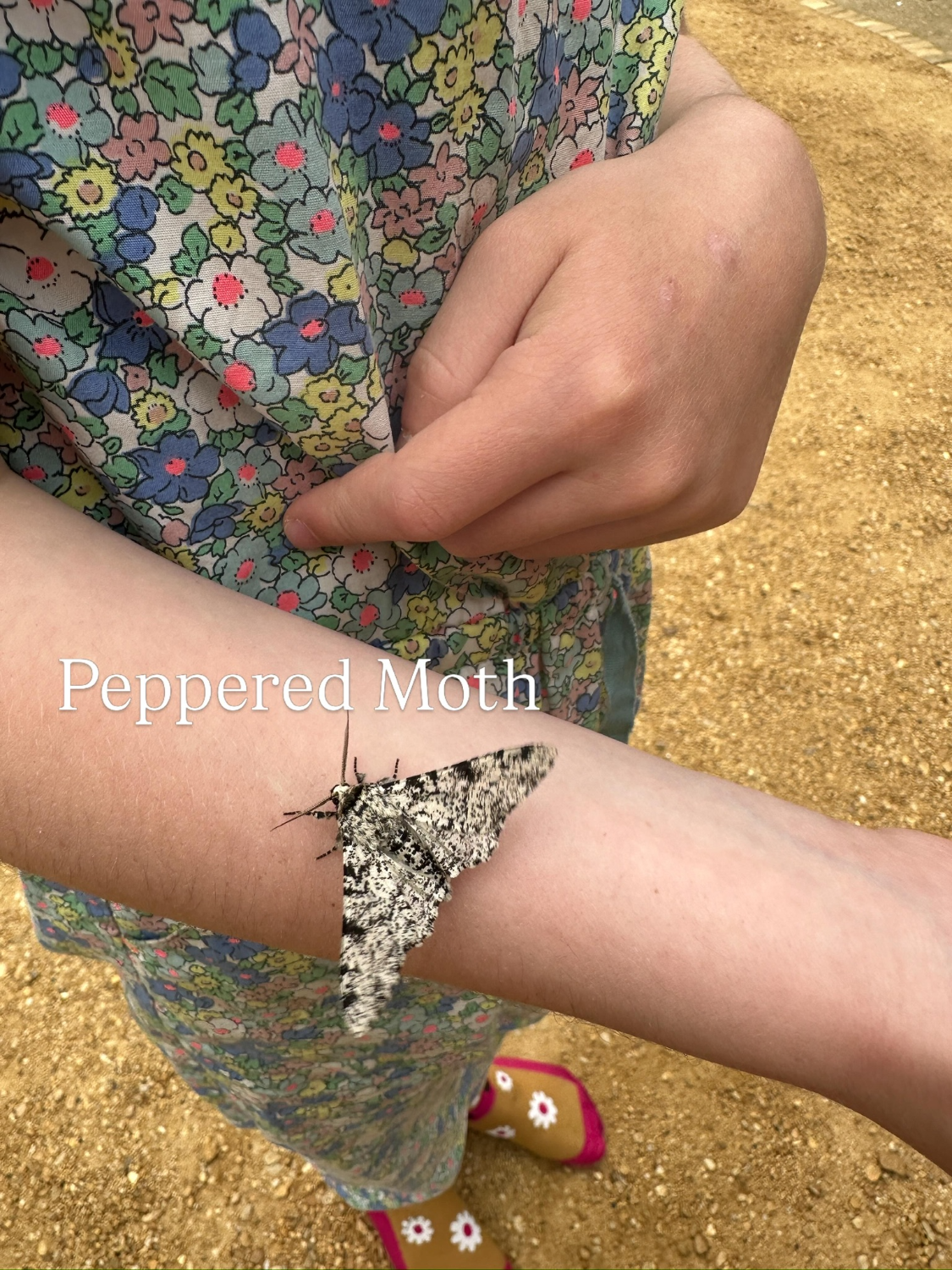
The Peppered Moth may appear less colourful, but it tells one of the most famous stories in natural history.
During the Industrial Revolution, darker forms of the moth became more common as pollution blackened tree trunks, helping them avoid predators. As Britain's air became cleaner, the lighter forms returned. It remains one of the best-known examples of evolution in action.
Nature's Clever Impersonator: The Buff-tip
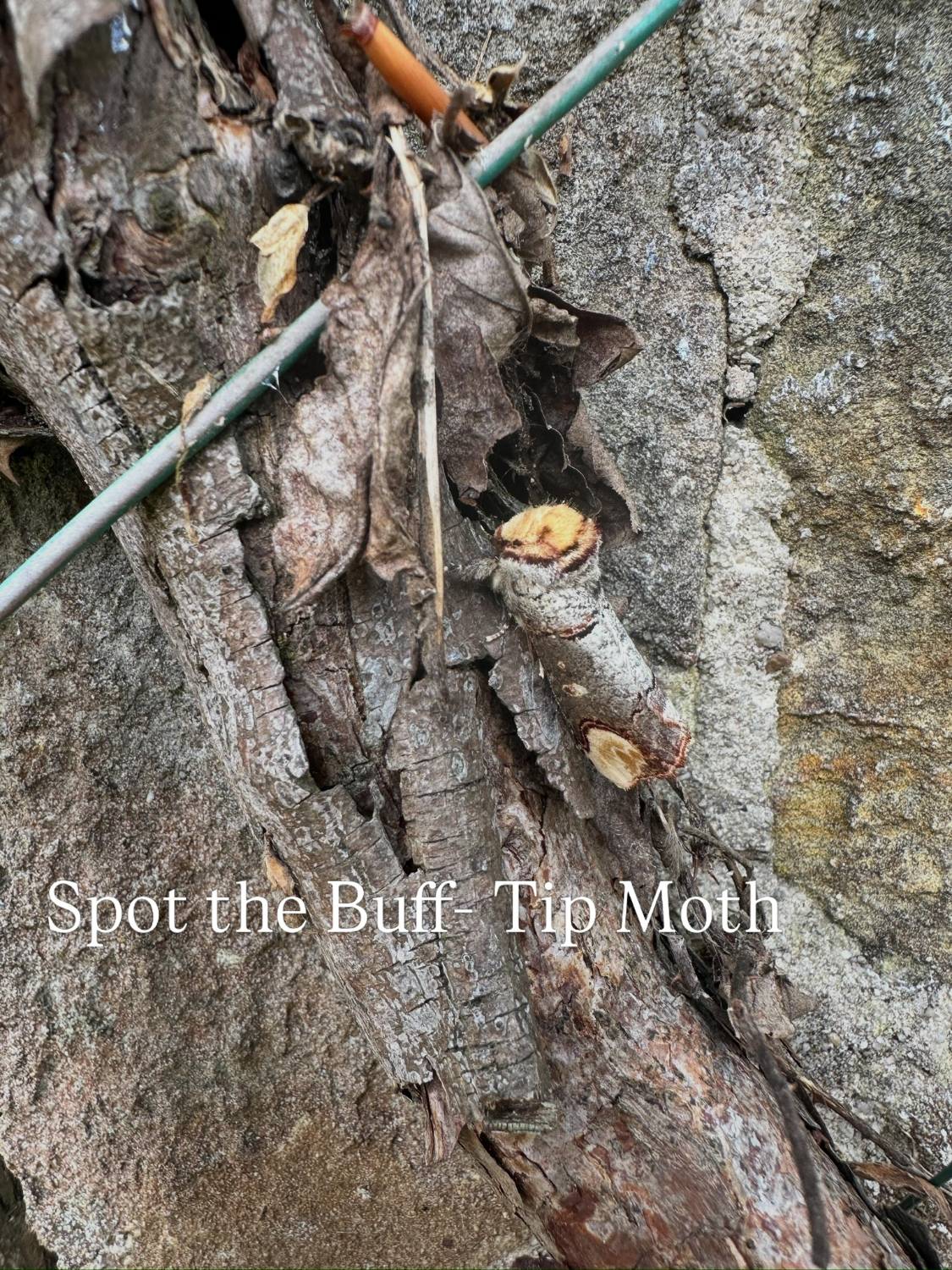
One of our favourites is always the Buff-tip Moth. When resting, it looks remarkably like a broken birch twig, complete with what appears to be a snapped end.
Its camouflage is so convincing that many people walk straight past one without ever realising it is a moth. Nature's disguises never cease to amaze us.
More Than Just Moths
The moth trap is about far more than identifying species. It's a chance to slow down and appreciate the incredible biodiversity thriving all around us.
Here on the chalk downland surrounding The Old Forge, we're fortunate to be surrounded by some of Dorset's richest habitats. The wildflower meadows, ancient hedgerows and rolling Downs support an astonishing variety of insects, birds and mammals.
Moths play a hugely important role in these ecosystems. Many are valuable pollinators, while their caterpillars provide food for birds, bats and other wildlife. In fact, there are far more species of moth in Britain than butterflies, yet they often go unnoticed because most are active after dark.
Wildlife While You Sleep
One of the things we love most about living here is that every day brings a new discovery. Whether it's butterflies dancing across the Downs, skylarks singing overhead, bats swooping at dusk or a moth trap full of surprises, nature is never far away.
The next time you're staying with us and gazing up at the stars, remember that an entire hidden world is waking up around you.
And if our friend happens to be visiting with his moth trap, you might even get the chance to see some of Dorset's most beautiful nocturnal visitors for yourself.